Focus on the fake Binance Web3 wallet scam
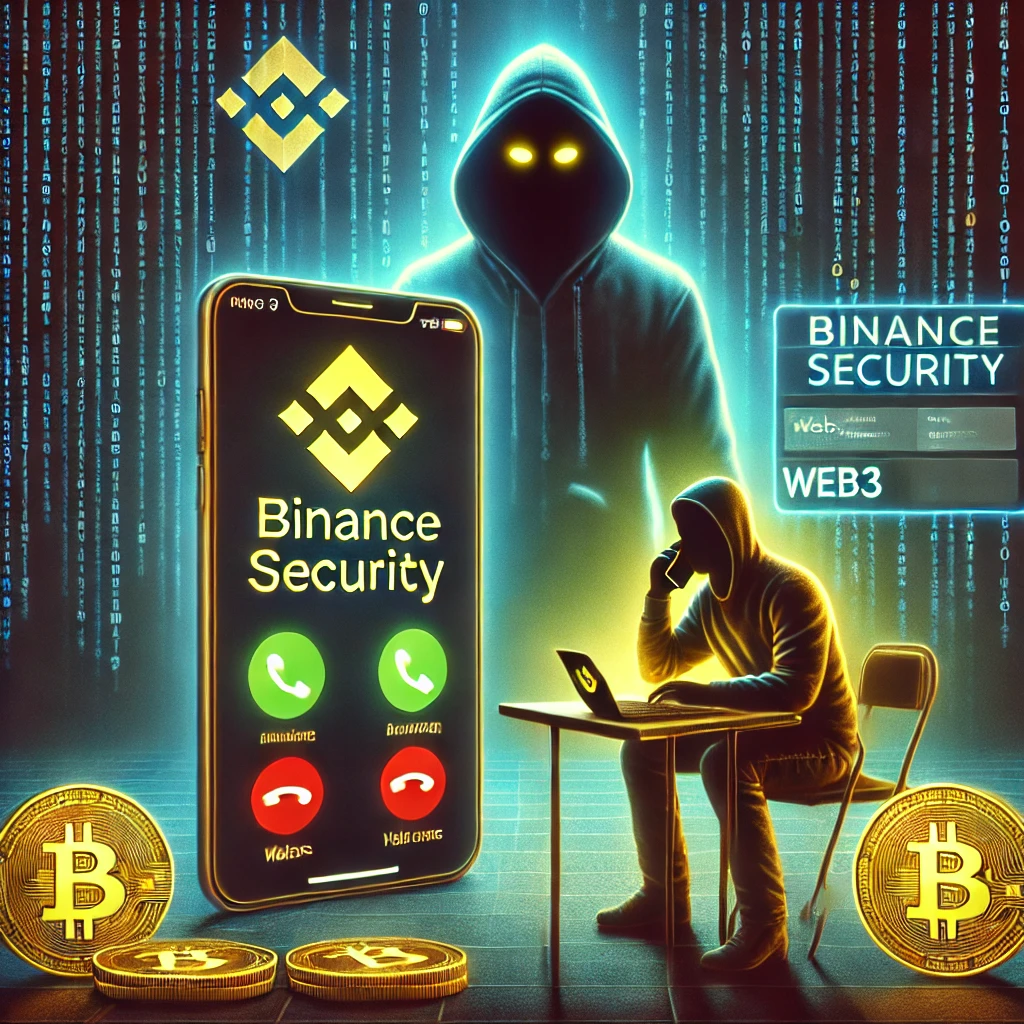
With the current cryptocurrency bull run, scams are becoming more refined, exploiting distrust and the complexity of the Web3 ecosystem. A recent, sophisticated fraud targets Binance users. Unlike other scams, this one does not ask you to transfer your funds to a third-party wallet, but makes you believe you are securing them in a wallet that belongs to you, when it is in fact controlled by the scammers. Here is a full analysis of how it works.
Detailed description of the scam
1. Initial contact
The scammers begin by contacting the victim by phone or e-mail, posing as Binance's cybersecurity team.
- Fake security alert:They tell the victim that suspicious activity has been detected on their Binance account, such as a hacking attempt or an unknown device being added. The alert is false, but it is meant to create a sense of urgency.
- Building trust:The scammers use a professional tone and technical jargon to pass themselves off as experts. They explain that they want to help protect the victim's funds.
2. Offering a "secure" solution
To boost their credibility, the scammers claim that the funds need to be moved from Binance to a secure Web3 wallet. They insist that:
- This wallet is "always yours".
- You keep full control thanks to a recovery phrase (seed phrase) that they give you or ask you to set up.
3. Manipulation around the Web3 wallet
The scammers exploit victims' lack of knowledge about decentralised wallets. Here is how they go about it:
- Providing or generating a seed phrase: The scammers ask the victim to create a Web3 wallet through an app such as Trust Wallet or MetaMask, using a seed phrase that they already control. They may also supply the seed phrase directly, claiming it is a temporary security measure.
- Appearance of legitimacy: The victim sets up the wallet by following their instructions and sees it as "their own". In reality, the scammers have full access to this wallet through the seed phrase.
- Transfer of funds: The scammers ask the victim to transfer their cryptocurrencies from Binance to this "secure" wallet. The victim thinks they are protecting their funds, but in reality they are moving them to a wallet controlled by the scammers.
4. Misappropriation of funds
Once the funds have been transferred, the scammers act quickly:
- They access the wallet using the seed phrase.
- They transfer the funds to their own anonymised addresses.
- To make tracing harder, they use tools such as cryptocurrency mixers.
Why does this scam work?
- Illusion of control:Unlike other frauds where the victim is asked to transfer their funds to a third-party wallet, here they believe they are securing their own assets in a wallet they control.
- Credibility of the scammers : The communications (calls and e-mails) are highly professional and imitate those of Binance or other legitimate players perfectly.
- Exploiting urgency:By creating a climate of panic, the scammers prevent the victim from thinking calmly or checking what they are told.
- Complexity of Web3:Victims do not always understand exactly how seed phrases and decentralised wallets work, which makes manipulation easier.
How can you protect yourself against this type of scam?
What to do:
Always verify communications:
- If in doubt, contact Binance through its official channels (website or app).
- Do not respond to unsolicited phone calls or e-mails.
Protect your sensitive information:
- Never share your seed phrases or passwords.
- Never create a wallet with a seed phrase provided by a third party.
Educate yourself about how decentralised wallets work:
- Understand that anyone who has your seed phrase can control your funds.
Take the time to check instructions:
- If in doubt, wait and consult an adviser or an expert before moving your funds.
What not to do:
- Never give in to panic:Scammers use psychological pressure tactics to push you to act fast. Always take the time to think.
- Never transfer your funds on request: No legitimate platform, including Binance, will ask you to move your funds to another wallet for security reasons.
- Never use a seed phrase provided by a third party:A recovery phrase must only be generated by you, in a secure environment.
This scam relies on a clever strategy, giving the victim the illusion of protecting their funds while placing them in the hands of the scammers. With the rise of cryptocurrencies and the growing adoption of Web3 wallets, these frauds are becoming ever more sophisticated. It is essential to stay vigilant, verify every communication and understand the basics of how decentralised wallets work. If in doubt, make no hasty decisions and contact the official services directly.